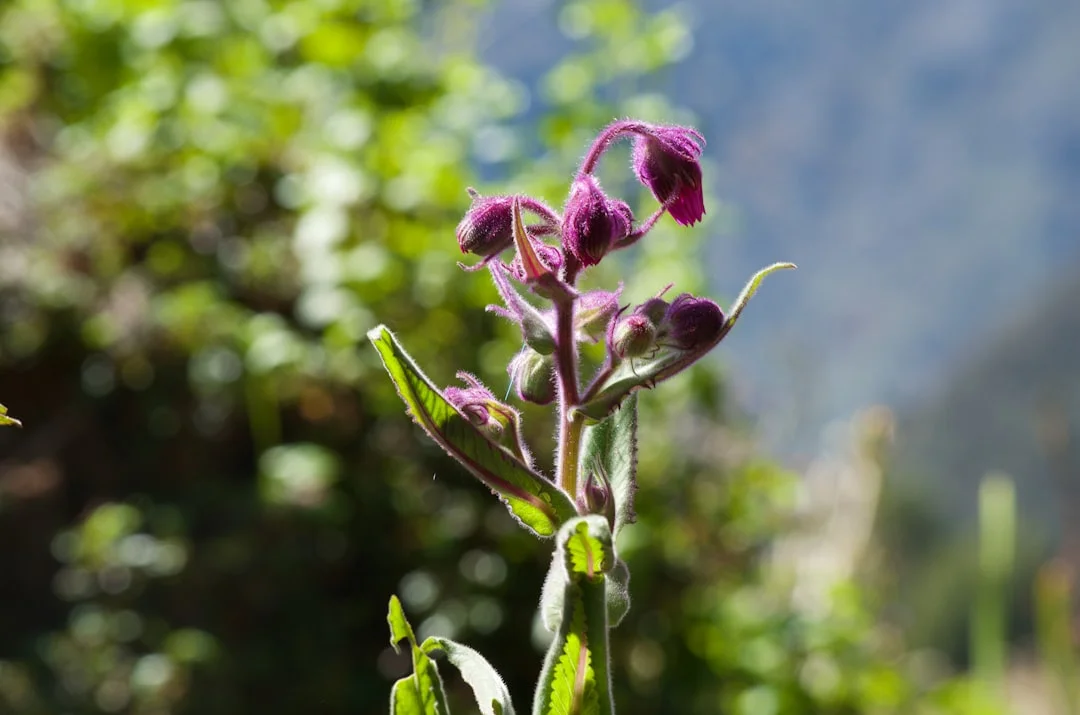
Tourism and Guide to Viola
Discover the complete tourist guide to Viola: itineraries, monuments, accommodations, and local dishes.
History and Atmosphere of Viola
Viola is a commune located in the Province of Cuneo, in the Piedmont region, Italy. The town has a rich and complex history, dating back to the medieval period. Its strategic location, at the border between the Susa Valley and the Lanzo Valley, made it an important center of exchange and trade over the centuries.
The first mention of Viola dates back to 1036, when the town was a fiefdom of the Counts of Savoy. During the Middle Ages, Viola became an important center of textile production and trade in goods such as silk and wool. Its location at the border with France and Savoy made it an important crossing point for merchants and pilgrims.
During the Renaissance, Viola became an important center of culture and art. The town hosted many artists and writers, including the famous painter and sculptor Michelangelo Buonarroti, who visited Viola in 1507. The town's atmosphere is still characterized by a strong cultural and historical identity, reflected in its architecture, traditions, and cuisine.
Things to See in Viola
Viola is a town rich in history and culture, with many places to visit and things to see. Here are some of the main attractions in the town:
- Viola Castle: a medieval castle that dominates the town and offers a spectacular view of the valley.
- San Pietro Church: a beautiful Romanesque church of the 12th century, with an interior decorated with frescoes and a 30-meter-high bell tower.
- Viola Art and History Museum: a museum that hosts a collection of artworks and historical objects that tell the story of the town.
Where to Eat in Viola
Viola's cuisine is one of the most typical and delicious in the Piedmont region. Here are some of the local specialties that cannot be missed:
- Meat Ragù Pasta: a classic Piedmontese pasta dish served with a meat ragù made from beef and pork.
- Polenta and Roasted Game Birds: a local specialty consisting of polenta served with roasted game birds and a sauce made from wine.
- Castagnaccio: a traditional local dessert made from chestnut flour and water, served with a drizzle of olive oil.
Where to Stay in Viola
Viola offers a wide range of accommodations for all tastes and budgets. Here are some of the main options:
- Hotel Albergo: a luxury hotel that offers elegant rooms and high-quality services.
- B&B La Casa dei Fiori: a bed and breakfast that offers cozy rooms and a family atmosphere.
- Agriturismo La Valle dei Fiori: a farm stay that offers rooms in a countryside farmhouse and high-quality services.
Events, Festivals, and Fairs in Viola
Scopri cosa fare in città
Concerti, sagre, fiere e mostre aggiornate in tempo reale per vivere appieno l'atmosfera locale.
Viola is a town that loves to celebrate and honor its traditions. Here are some of the main festivals and fairs in the town:
- San Pietro Festival: a festival held every year on June 29th in honor of the town's patron saint.
- Chestnut Fair: a fair held every year in October to celebrate the chestnut, the town's symbol fruit.
- Polenta Festival: a festival held every year in December to celebrate the polenta, a traditional local dish.
Photos and Postcards from Viola
Viola is a town that offers many opportunities to take beautiful photos and buy postcards. Here are some of the main attractions in the town:
- View of the Valley: a spectacular view of the valley that can be taken from the castle's tower.
- San Pietro Church: a beautiful Romanesque church of the 12th century that can be photographed from different angles.
- Main Square: a historic square in the town that can be photographed from different angles.
Around Viola
Viola is a town that offers many opportunities to explore the Piedmont region. Here are some of the main destinations nearby:
The city of Cuneo, the capital of the Province of Cuneo, is a historic and cultural city that offers many tourist attractions, including the Savoy Castle and the San Lorenzo Cathedral. The city of Alba, famous for its wine fair, is a commercial and cultural center that offers many opportunities to explore the region. The city of Saluzzo, a historic and cultural center, is a town that offers many tourist attractions, including the Counts of Saluzzo Castle and the San Pietro Church.
Frequently Asked Questions (FAQ)
When is the best time to visit Viola?
The best time to visit Viola is in the summer, when the weather is warm and sunny and the temperatures are high. However, spring and autumn are also ideal seasons to visit the town, when the weather is milder and the temperatures are more moderate.
What to eat absolutely?
The local specialty that cannot be missed is the meat ragù pasta, a classic Piedmontese pasta dish served with a meat ragù made from beef and pork. Other local specialties that can be tried are the polenta and roasted game birds, a traditional local dish made from polenta and roasted game birds, and the castagnaccio, a traditional local dessert made from chestnut flour and water.
Is it suitable for children?
Yes, Viola is a town that is suitable for children. The town offers many tourist attractions and activities for children, including the Viola Art and History Museum, which hosts a collection of artworks and historical objects that tell the story of the town. Additionally, the town offers many opportunities to explore the countryside and engage in outdoor activities, such as walking and running.
Download the Free Complete Guide to Viola
Includes city center maps, attraction opening hours and ticket prices, recommended itineraries, and direct contacts of top accommodations and restaurants.
Do you manage an accommodation or a blog in Viola?
Offri un servizio utile ai tuoi ospiti: inserisci sul tuo sito web il link alla Guida di Viola per arricchire la tua offerta turistica.
Viola
Access the complete overview to browse all available accommodations, restaurants, interactive map, and photos of the area:
Map Attrazioni Viola
Esplora liberamente i confini, le peculiarità e i punti di interesse.Our Network Portals
Explore this area through the dedicated portals of our tourism network: